Project Overview
A Chinese aerospace research institute focuses on aero-engine bench testing and aviation component reliability verification. The institute previously used imported PCB high-temperature accelerometers for engine vibration monitoring.
Imported sensors had obvious drawbacks: slow delivery, high costs. These issues hindered the institute’s aerospace R&D work. To solve these problems, the institute adopted the Dabey 681C02 high-temperature accelerometer as a direct replacement.
Customer Pain Points
Aviation engine testing requires high stability and certified, traceable test data. Imported PCB sensors failed to meet actual project needs:
- 3-month long overseas lead time, delaying test schedules
- High import premium, raising overall procurement costs
- No domestic defense calibration certificates, unable to file aviation projects
- Unstable supply and discontinued model risks for long-term tests
681C02 Product Specifications
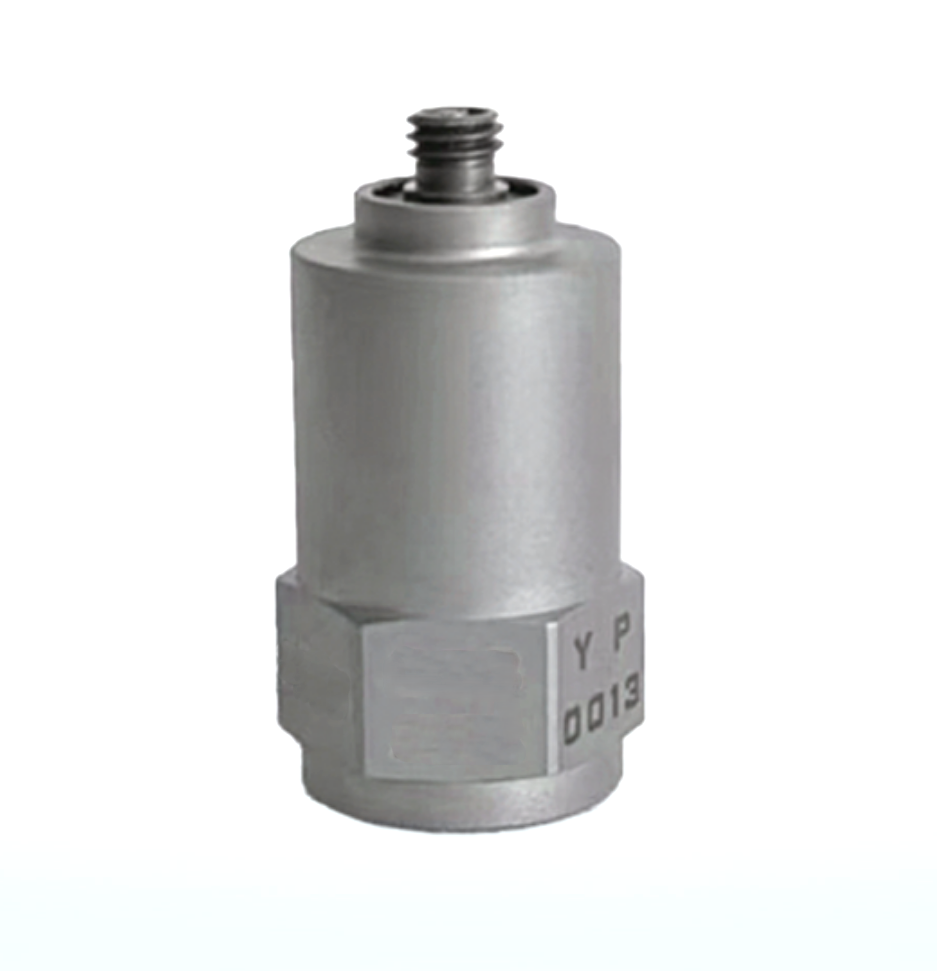
The 681C02 is an aerospace-grade piezoelectric accelerometer. It matches PCB sensors in size, installation and signal output, perfectly suited for extreme high-temperature engine testing.
- Sensitivity: 5pC/g
- Measuring Range: ±1000g
- Frequency Response (±5%): 10Hz–4kHz
- Operating Temperature: -50°C to 500°C
- Interface: 10-32 threaded connector
- Application: Aero-engine high-temperature vibration monitoring
Solution Highlights
- 1:1 Drop-in Replacement Same dimensions, thread and signal output as PCB sensors. No equipment modification or program adjustment required.
- Extreme High-Temp Stability Stable data output at up to 500°C, no thermal drift or signal distortion during long-term engine tests.
- Official Defense Certification All sensors calibrated by national defense metrology institutions, with valid certificates for aviation project filing.
- Fast Local Delivery Optimized production and calibration process shortens delivery cycle for urgent R&D projects.
Project Results
After bench comparison and field verification, the 681C02 achieved full performance qualification with remarkable practical benefits:
- Lead time shortened from 3 months to 1 month
- Procurement cost reduced by 30%
- Test data fully consistent with original PCB sensors
- Available defense calibration certificates for aviation official review
- Stable long-term operation under 500°C high-temperature environments
Conclusion
The 681C02 high-temperature accelerometer is a reliable, certifiable and cost-effective substitute for PCB sensors. It solves the core pain points of imported aerospace sensors, including long lead times, high costs and missing domestic qualifications. It is an ideal drop-in solution for aero-engine testing and high-temperature vibration monitoring projects in the aerospace industry.