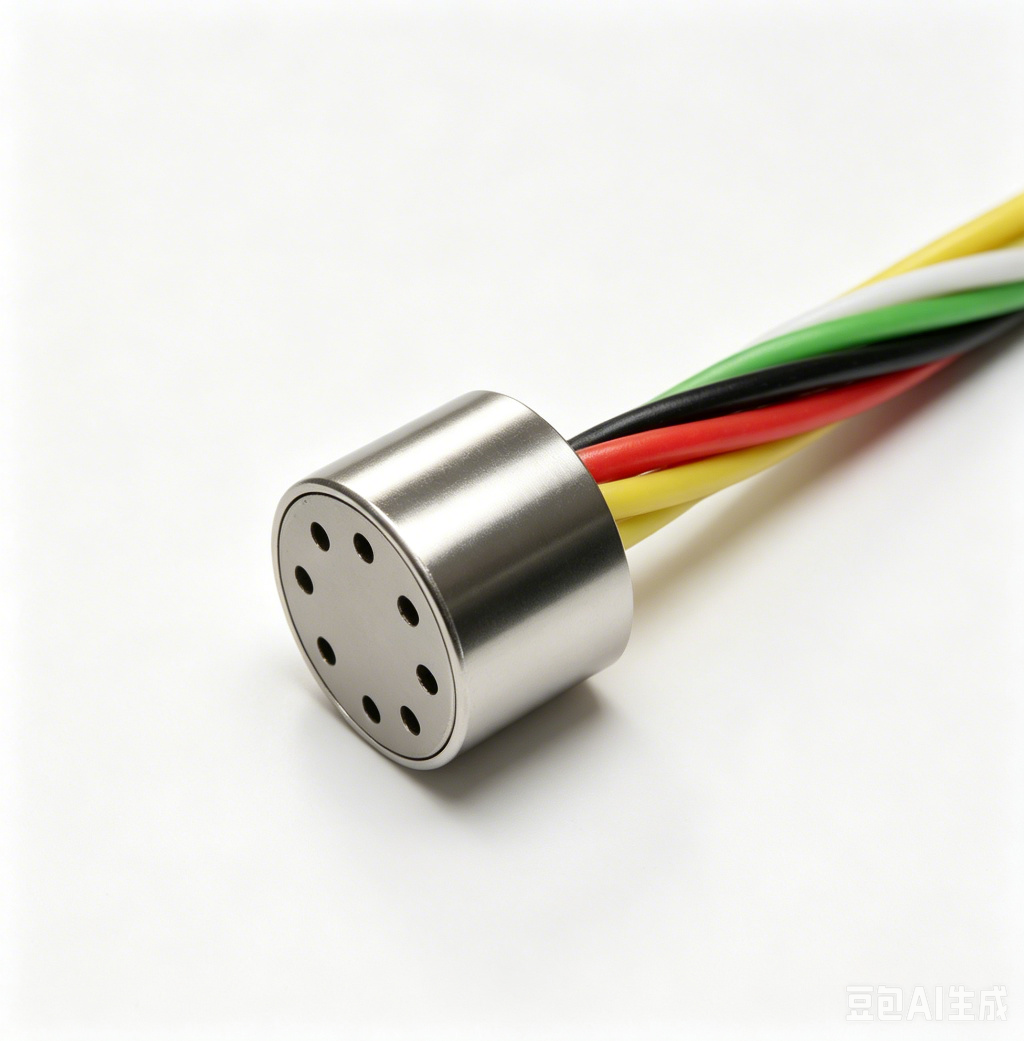
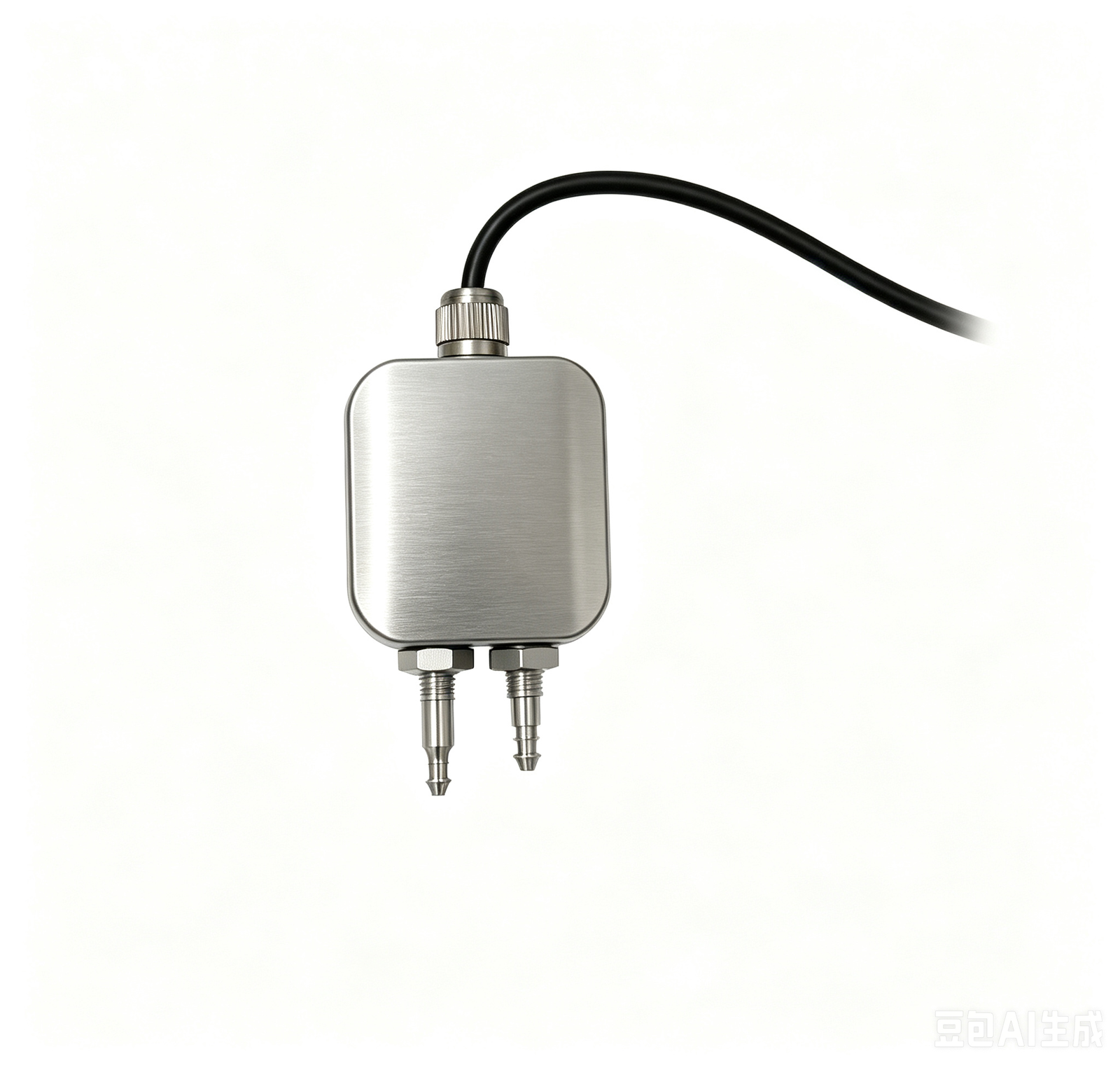
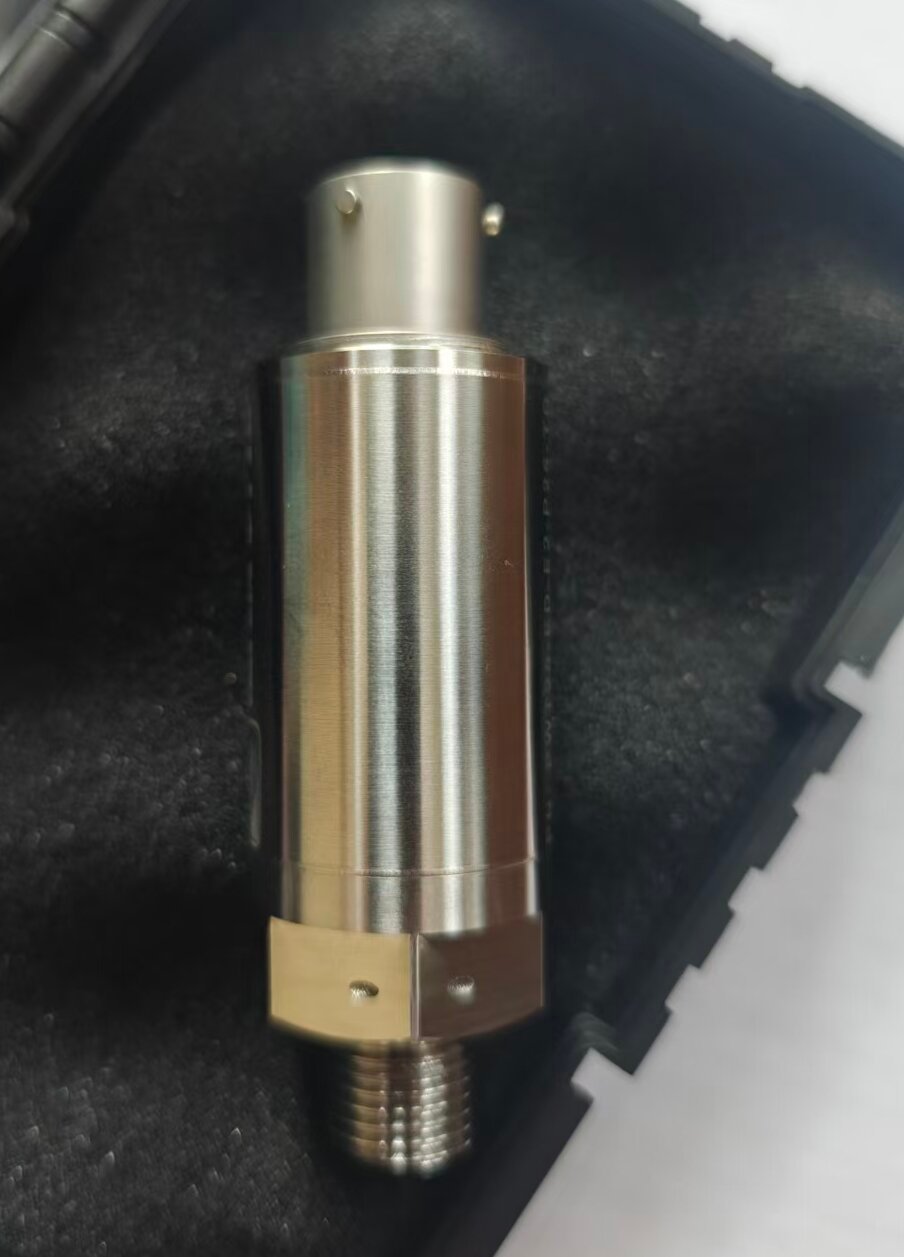
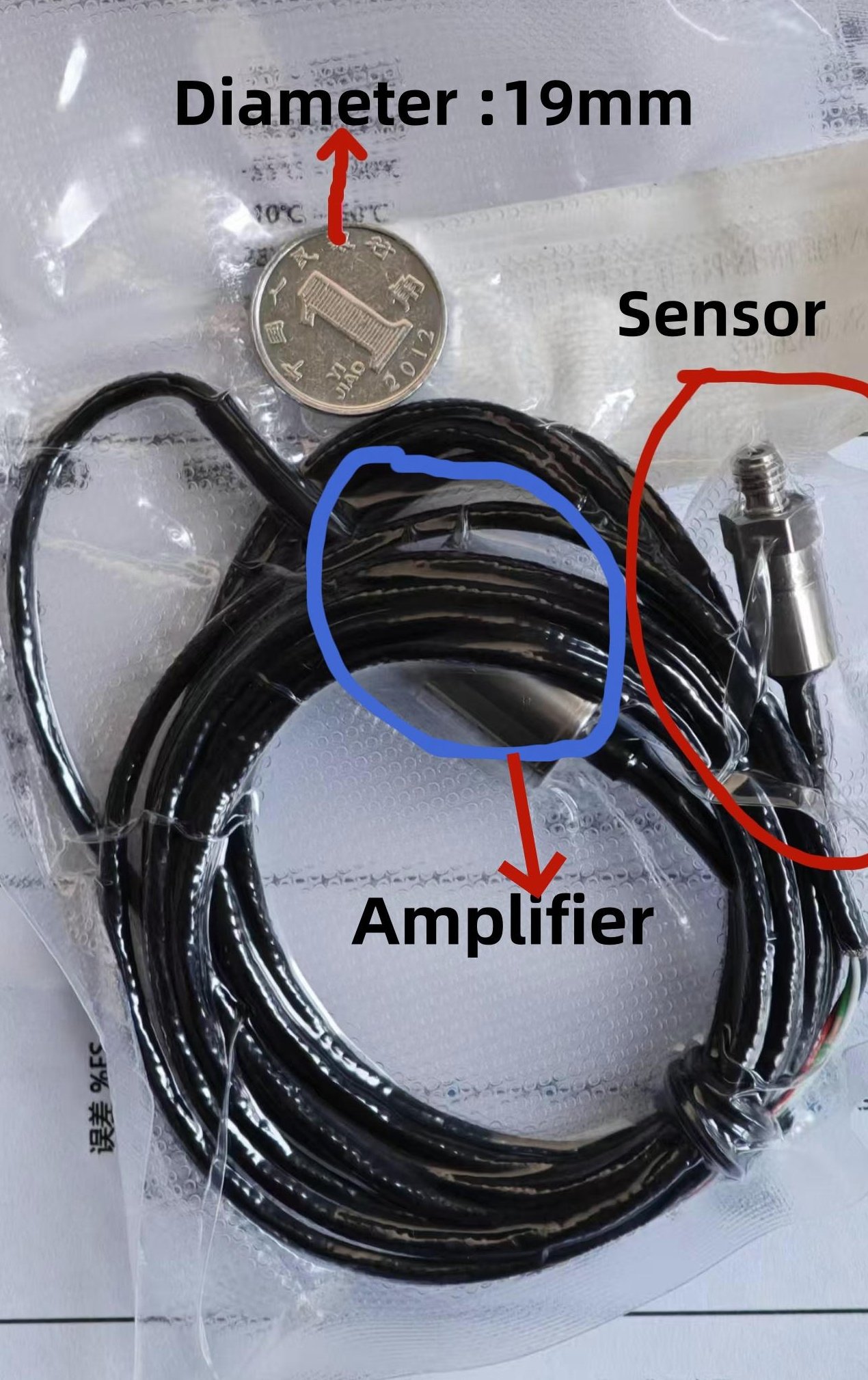
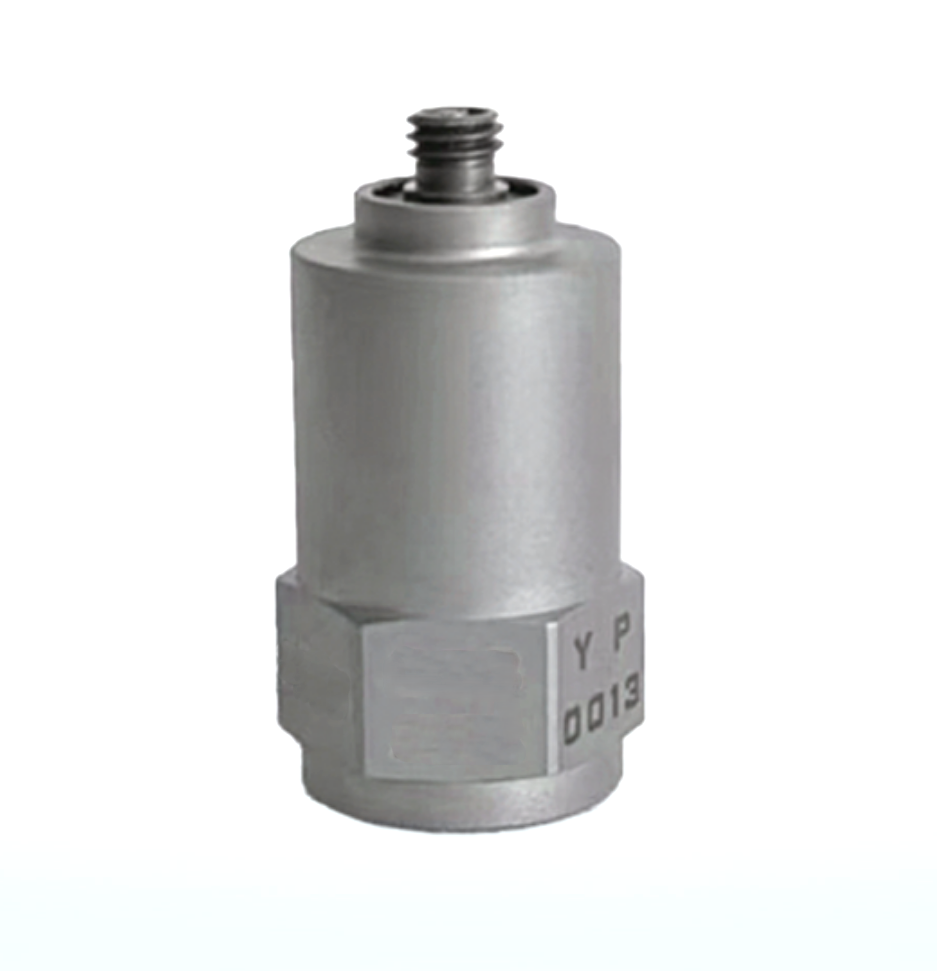
IEPE accelerometers are the most commonly used sensors for industrial vibration monitoring, mechanical testing, and laboratory data acquisition. Fully compatible with mainstream NI DAQ systems, IEPE sensors provide stable, high-repeatability vibration signals. To select the correct accelerometer for your test environment, you need to understand its core technical parameters clearly.
1. Sensor Sensitivity
Sensitivity represents the sensor’s output voltage per unit of acceleration. It is the most fundamental specification for IEPE accelerometers.
A typical industrial sensitivity is 50.1mV/g. This value is calibrated at standard frequencies of 80Hz or 160Hz. Different sensitivity levels determine the sensor’s ability to capture weak vibration signals. Higher sensitivity is suitable for precision micro-vibration testing, while lower sensitivity fits high-impact industrial scenarios.

2. Measurement Range
The measurement range defines the maximum acceleration the sensor can detect without signal distortion or overload.
When selecting an accelerometer, you must match the range with your DAQ card voltage interval. For example, a ±5V acquisition system matches a 100g sensor with 50mV/g sensitivity. A reasonable range match ensures full-scale data coverage and avoids missing peak vibration data.
3. Frequency Range
The frequency range refers to the bandwidth where the sensor maintains accurate output within 5% deviation. It directly determines the sensor’s adaptability for different vibration tests.
Low-frequency stability is critical for structural vibration testing, while high-frequency performance is required for mechanical shock and high-speed equipment monitoring. Choosing the correct frequency range ensures valid and repeatable test results.
4. Resonant Frequency
Resonant frequency is the natural vibration frequency of the sensor structure. It is a key safety and accuracy indicator.
Test equipment must never operate near the resonant frequency, as it causes severe signal amplification and data distortion. For most industrial and aerospace tests, the working frequency should be kept at least 3 times lower than the resonant frequency to ensure long-term stable operation.
5. In – band Resolution
In-band resolution describes the smallest vibration acceleration the sensor can identify within its effective frequency band.
High-resolution IEPE accelerometers can capture tiny vibration changes that ordinary sensors cannot detect. This parameter is essential for precision mechanical analysis, aerospace component testing, and low-amplitude vibration monitoring.
6. Non – linearity
Non-linearity reflects the linear consistency between input acceleration and output voltage.
Industrial-grade IEPE accelerometers usually maintain ≤1% FS non-linearity. Lower non-linearity means more linear output, better data consistency, and higher credibility for long-term test comparison data.
7. Transverse Sensitivity
Transverse sensitivity indicates the sensor’s sensitivity to lateral vibration perpendicular to its main measuring axis.
A smaller transverse sensitivity ratio means stronger anti-interference ability. In multi-dimensional vibration environments, low transverse sensitivity ensures that the sensor only captures valid axial vibration data and suppresses stray noise.
8.Installation & Usage Notes for IEPE Accelerometers
IEPE vibration sensors are high-precision measuring devices. Avoid strong impact, drop, or excessive torsion during installation.
Ensure flat mounting surfaces and firm installation to eliminate artificial vibration errors. For high-temperature, high-noise, or aerospace test environments, select professional industrial-grade IEPE accelerometers with stable temperature drift performance.
FAQs About IEPE Accelerometers
Q1: What are IEPE accelerometers used for?
IEPE accelerometers are widely used for industrial vibration monitoring, mechanical fault diagnosis, aerospace structural testing, and NI DAQ data acquisition.
Q2: What sensitivity is standard for IEPE sensors?
50.1mV/g is the most common standard sensitivity, calibrated at 80Hz or 160Hz for general industrial and laboratory testing.
Q3: Why avoid working near resonant frequency?
Operation near resonant frequency causes signal distortion, data deviation, and unstable test results, which will affect the accuracy of vibration analysis.
Q4: What is a good transverse sensitivity level?
Professional IEPE accelerometers keep transverse sensitivity below 5%, ensuring strong anti-interference capability in complex vibration environments.
Q5: Can your IEPE accelerometers replace PCB sensors?
Yes. Dabey IEPE accelerometers match mainstream PCB sensor performance standards, providing stable output, shorter lead time, and cost-effective replacement for scientific research and industrial test projects.
Reliable IEPE Accelerometers from DabeySensor
DabeySensor develops and supplies high-precision IEPE accelerometers tailored for industrial vibration testing, NI data acquisition systems, and aerospace structural testing scenarios. Our IEPE sensors deliver low non-linearity, high in-band resolution, and excellent temperature stability, fully complying with strict industrial and scientific research testing standards. They serve as reliable, cost-effective alternatives to mainstream imported vibration sensors.
If you have questions about IEPE accelerometer selection, parameter matching, or customized vibration testing solutions, contact our professional technical team for accurate technical guidance and project-based quotations.