Skip to content

Industrial automation in Russia is rapidly evolving, driven by sectors like manufacturing, energy, and transportation. High-precision accelerometers are critical for tasks such as vibration monitoring, predictive maintenance, and machinery diagnostics. However, selecting the right sensor requires balancing technical specifications, environmental demands, and cost efficiency. Here’s a practical guide to making informed decisions, backed by real-world data and industry insights
1. Define Your Application Requirements
Start by understanding your specific use case. For example:
- Vibration Analysis: Requires accelerometers with wide frequency ranges (e.g., 0–10,000 Hz) to capture both low- and high-frequency vibrations, such as those in motors or turbines110.
- Structural Health Monitoring: Sensors must withstand harsh environments (e.g., extreme temperatures, dust) while maintaining accuracy. Look for IP67/IP69-rated models with ruggedized housing16.
- Predictive Maintenance: Wireless accelerometers like the Motionics VibeSense (0.15–26,000 Hz) enable real-time data collection without complex wiring, ideal for rotating machinery in factories10.
Key Metrics to Prioritize:
- Accuracy: Aim for sensors with ±1% full-scale error or better.
- Frequency Range: Match the sensor’s bandwidth to your machinery’s vibration profile (e.g., 10–2,000 Hz for conveyor systems)3.
- Environmental Resistance: For oil and gas applications, ensure sensors tolerate temperatures up to +85°C and resist corrosion7.
2. Evaluate Technical Specifications
a) Sensitivity and Dynamic Range
High-precision accelerometers must detect subtle vibrations without saturating at high amplitudes. For example:
- The RECOVIB® Industrial MEMS Accelerometer offers a dynamic range of 245–981 m/s² and sensitivity up to 100 mV/g, making it suitable for heavy machinery1.
- In contrast, the A320L Series (Sherborne Sensors) provides ultra-low noise (4–20 mA output) for detecting micro-vibrations in precision equipment7.
b) Power Consumption and Connectivity
Wireless and IoT-ready sensors are gaining traction in Russian factories. The FXLS8971CF (NXP Semiconductors) consumes minimal power (≤20 µA) and supports industrial IoT protocols, ideal for remote monitoring10.
c) Certifications and Compliance
Ensure sensors meet Russian and international standards:
- GOST R (Russian certification for industrial equipment).
- ATEX/IECEx for explosive environments (e.g., oil refineries)7.
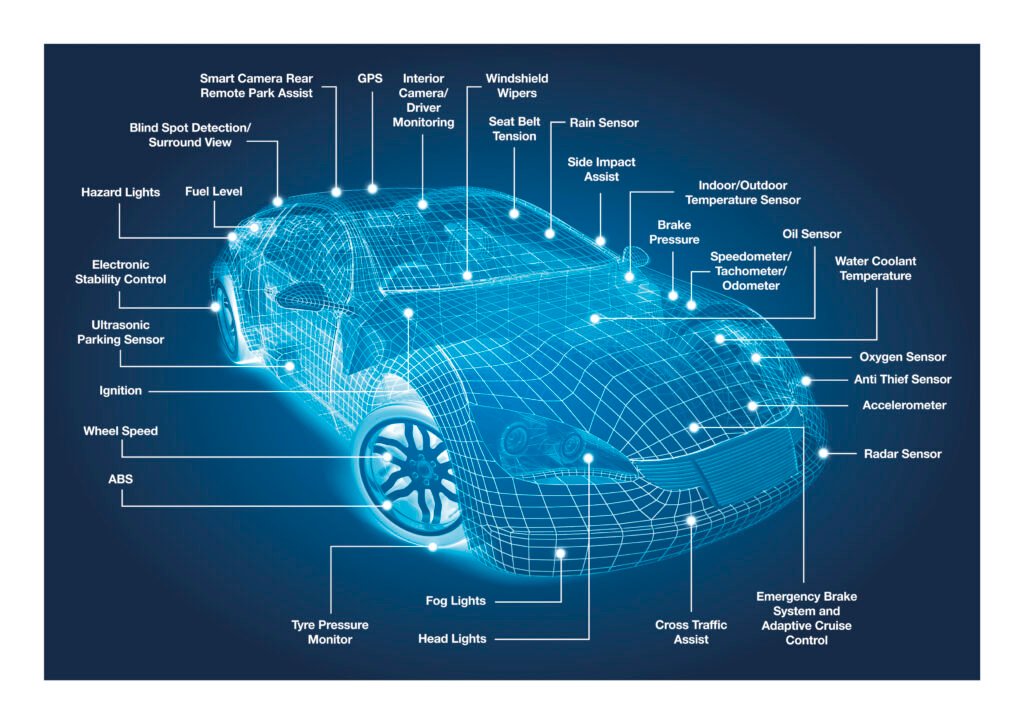
3. Case Study: Accelerometers in Russian Automotive Manufacturing
A leading Russian automotive plant reduced downtime by 30% using Dytran 3019A accelerometers (frequency range: 1–10,000 Hz) to monitor robotic assembly lines. Key outcomes:
- Detected misalignments in welding robots within 0.5g precision.
- Integrated with PLC systems for automated fault alerts1.
Conclusion
Choosing the right accelerometer for Russian industrial automation hinges on aligning technical specs with real-world demands. By prioritizing accuracy, environmental resilience, and IoT compatibility, manufacturers can enhance efficiency and reduce costs. For tailored solutions, explore our high-precision accelerometer portfolio or contact our technical team for a free consultation.