
Aerospace, Semiconductor & Defense Standard Sensors
High-Precision Transducers & Accelerometers for Extreme Environments
Engineered to perform in testing environments where accuracy is critical. High resonant frequency up to 400 kHz, pressures up to 2000 Bar, and operating temperatures from -55°C to +150°C.
Dive into our extensive range of sensors
Hot Sales Products

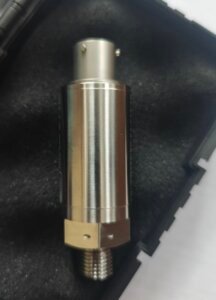
- Range: 0~35Mpa,
- Accuracy:0.1%FS BFSL
- Operating temperature : -55℃-150℃
- Vibration frequency ≥400KHz

- Range: 0~35Mpa,
- Accuracy:0.1%FS BFSL
- Operating temperature : -55℃-150℃
- Vibration frequency ≥400KHz

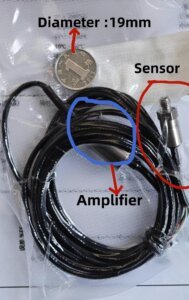
- Sensitivity: 5pC/g
- Range: ±1000g
- Frequency Response (±5%): 10-4k Hz
- Operating Temperature: -50°C to 500°C
Direct replacements for global leaders with Better price
Facing 6-month factory lead times? Dabey high-performance sensors match the mounting footprints, electric connections, and signal outputs of global industry monopolies with an agile 4~6-week delivery.
| Global Standard | Dabey Premium Matching | Technical Parameter Compatibility | Dabey Lead Time |
|---|---|---|---|
| Kulite HKM | Dabey MPT Series | Identical resonant frequency (up to 400kHz), high-temperature SOI die, micro-machined profile. | 6 Weeks |
| PCB Accelerometer | Dabey high-temperature Accelerometer | high temperature from -50~500 degree . | 4 Weeks |
🔬 Traceable Accuracy: Our In-House Calibration Standards
We don't just deliver sensors; we guarantee measurement integrity. Each sensor carrying the Dabey brand name undergoes exhaustive multi-point pressure/thermal stress verification to meet ISO 9001:2015 precision thresholds before shipping.
Individual Calibration Certificate
Every individual device is dispatched with its physically verified, traceable Calibration Data Sheet matching your specific temperature range.
Direct Technical Desk
Collaborate directly with our Application Engineers to customize thread types, protective armored cables, and connector models.
72-Hour Aging Cycle
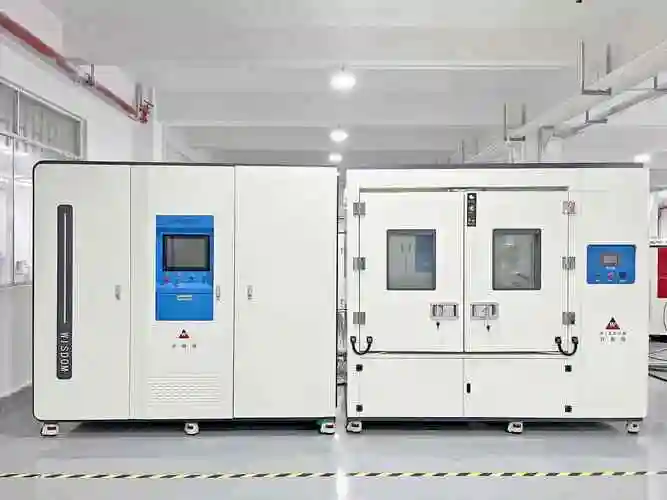
Our advanced thermal chambers isolate early component drift by subjecting dies to prolonged mechanical aging, achieving <0.12% failure rates.
Engineered for the Most Demanding Fields
Where off-the-shelf sensors fail under vibration, heat, and corrosive forces, Dabey bespoke designs ensure persistent telemetry calibration.
Aerospace & Wind Tunnels
- Shockwave boundary layer mapping
- Miniature wing profile telemetry
- Flight hydraulic system analysis
Semiconductor Fab Systems
- Corrosive chemical vapor feedback
- Ultra-high vacuum chamber monitoring
- Vibration feedback
Oil & Gas Subsea Telemetry
- Downhole extreme pressure exploration
- Subsea pipeline structural stress arrays
- Corrosive gas telemetry
Automotive & Defense Testing
- High-g automotive crash impacts
- Ballistic shock testing calibration
- Aerospace propulsion pressure grids
Customer Case Study
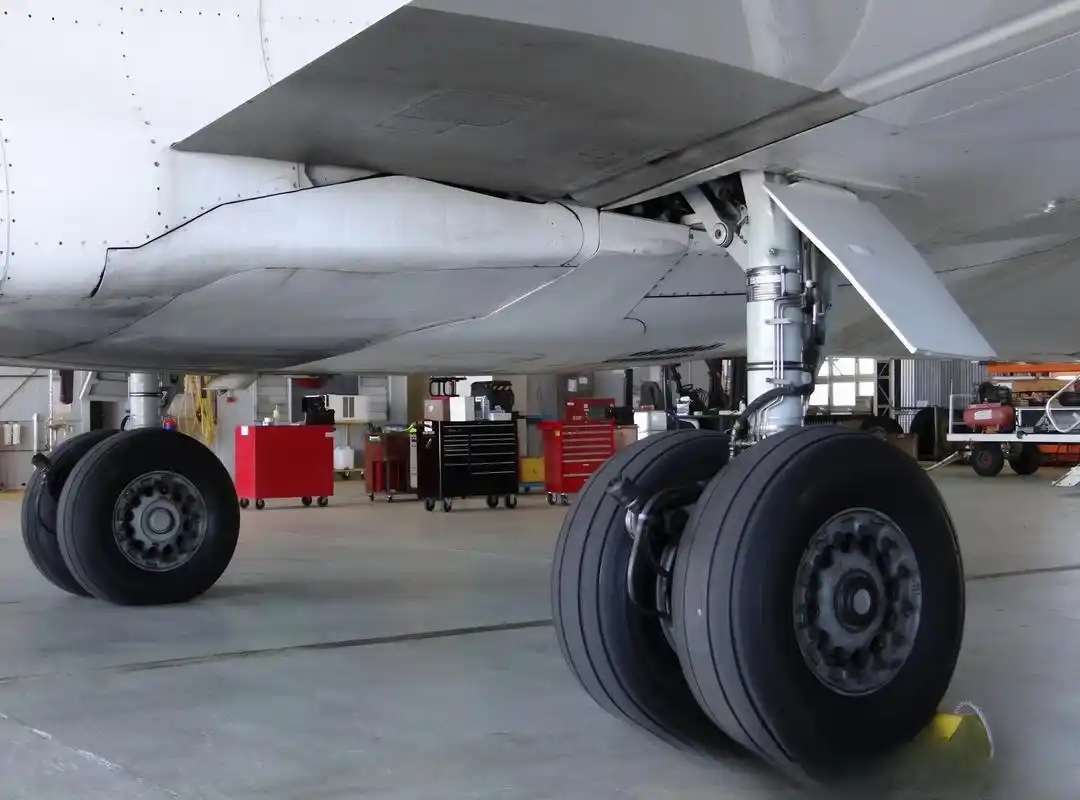
An aircraft landing gear manufacturer faced production bottlenecks. Their existing sensors – from a leading US brand – carried a 7‑month lead time, causing costly delays and inventory headaches.
They needed a faster, reliable alternative without redesigning their hydraulic system.
Dabey delivered. Our MPTW100 pressure sensor is a 1:1 form, fit, and function replacement for the original spec. No engineering changes required.
Results:
Lead time cut from 7 months to 4 weeks
30% cost savings compared to the incumbent brand
Full traceable calibration certificate included
Production resumed within weeks, not months
“Dabey’s team understood our urgency. The sensors worked right out of the box.” – Senior Engineer, landing gear manufacturer
A test bench manufacturer needed to simulate extreme heat conditions – up to 500°C – for validation of critical components. Their existing accelerometers, sourced from a leading global brand, frequently failed under sustained high temperatures. Data drift and premature sensor death caused repeated test interruptions, each time requiring weeks of waiting for replacement parts.
Production schedules slipped. Calibration costs piled up. Engineers lost confidence in the test data.
Dabey proposed the 682C02 ultra‑high temperature accelerometer. It is a drop‑in replacement for the original sensor – same mounting, same IEPE compatibility, but engineered to withstand 500°C continuous operation without signal degradation.
Results:
Zero sensor failures after 6 months of continuous high‑temperature testing
Lead time reduced from 8 weeks to 2 weeks
25% lower cost than the incumbent brand
Stable sensitivity across full temperature range, verified with in‑house calibration
“We finally have a reliable partner for our hottest test cells. The 682C02 just works.”
— Test Lab Manager, global automotive test equipment manufacturer
Innovation in Our Sensors
Who We Are?

Why Choose Dabey
Engineered for engineers. No fluff. Just performance, traceability, and support.
Drop‑in Replacements
Form, fit & function replacement for Kulite, PCB, Druck – same mounting, same output signals, same performance. No redesign needed.
Traceable In‑House Calibration
Every sensor ships with an individual factory calibration report – fully traceable. For applications requiring independent verification, we fully support you in sending the sensor to a third‑party national defense metrology lab of your choice for official calibration. No restrictions, no hidden fees.
High‑Frequency & High‑Temp Stability
Resonant frequency up to 400 kHz. Sustained 500°C operation without signal drift. 72‑hour thermal aging screens out early failures.
Customization in Weeks, Not Months
Custom threads, armored cables, extended ranges, special materials – typical lead time 4‑6 weeks. No NRE fees for moderate changes.
Direct Engineering Support
No sales gatekeepers. Talk directly to our application engineers – for cross‑reference analysis, CAD models, or troubleshooting. Response within hours.
Agile Lead Times & Better Value
4‑6 week delivery vs. 6+ months from incumbents. 30‑40% cost advantage – without compromising on quality or traceability.
News & Blog
Discover the latest news and blogs
Consult Our Engineering Team Today
Have an active application design or need to replace a high-lead-time globalstandard sensor? Tell us your parameters and our Application Engineers will deliver atailored proposal within 24 hours.